
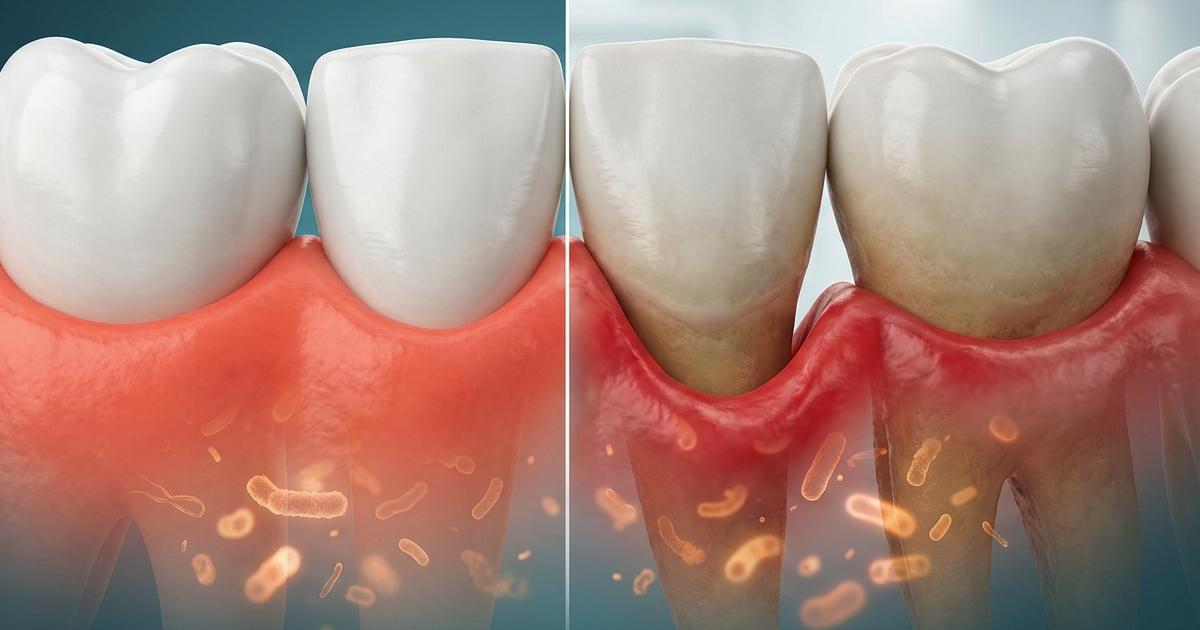

You glance in the mirror one morning and notice something subtle — your teeth look a little longer than they used to. Maybe there's a slight sensitivity when you drink something cold. It's easy to brush off these changes as a normal part of getting older, but what you may actually be witnessing is gum recession: a condition that, when left unaddressed, can quietly threaten the long-term health of your entire mouth.
At 1 OAK Dentistry, we believe that an informed patient is an empowered one. Understanding what gum recession is, why it happens, and what can be done about it is the first step toward protecting your smile for years to come.
What Is Gum Recession and Why Does It Happen?
Gum recession occurs when the gum tissue that surrounds and protects the roots of your teeth begins to pull back, exposing more of the tooth — and in some cases, the sensitive root surface beneath it. Unlike other dental conditions that may announce themselves with obvious pain or discomfort, gum recession often develops slowly and silently over time, making it one of the most commonly overlooked oral health concerns.
There is rarely a single cause. Instead, gum recession tends to be the result of a combination of factors that accumulate over months or years.
Common Causes of Gum Recession
- Periodontal (gum) disease: Bacterial infection that destroys gum tissue and the bone supporting your teeth is one of the most significant drivers of recession.
- Aggressive brushing: Brushing too hard or using a hard-bristled toothbrush can gradually wear away the delicate gum tissue over time.
- Poor oral hygiene: Inadequate brushing and flossing allows plaque and tartar to accumulate along the gumline, triggering inflammation and tissue damage.
- Teeth grinding and clenching: The excessive force placed on teeth during bruxism can put stress on gum tissue and accelerate recession.
- Genetics: Some individuals are simply predisposed to thinner gum tissue, making them more vulnerable regardless of how diligent they are with oral care.
- Misaligned teeth or an improper bite: When teeth don't come together correctly, uneven pressure can contribute to localized recession.
- Tobacco use: Smoking and chewing tobacco impair blood flow to the gums and increase the risk of gum disease, both of which accelerate tissue loss.
- Hormonal changes: Fluctuations during puberty, pregnancy, and menopause can make gum tissue more sensitive and susceptible to recession.
Why Gum Recession Is More Serious Than It Looks
At first glance, gum recession may seem like a cosmetic concern. After all, your teeth still feel functional, and aside from some occasional sensitivity, nothing seems drastically wrong. But beneath the surface, gum recession is quietly creating conditions that can lead to far more serious dental problems.
Exposed Roots and Tooth Sensitivity
The roots of your teeth are not covered by enamel the way the crowns are. When recession exposes root surfaces, they become highly vulnerable to temperature changes, acidic foods, and even the pressure of brushing. This sensitivity can range from mildly annoying to genuinely debilitating, and it tends to worsen over time if the underlying cause is not addressed.
Increased Risk of Decay
Root surfaces are softer than enamel, which means they are significantly more susceptible to cavities. Once the root is exposed, decay can develop quickly — and root cavities are notoriously difficult to treat. In some cases, they can threaten the viability of the entire tooth, potentially requiring root canal therapy or even extraction.
Bone Loss and Tooth Stability
Gum recession rarely occurs in isolation. In cases linked to periodontal disease, the same bacterial infection that erodes gum tissue is also destroying the bone that anchors your teeth in place. Over time, this loss of bone support can cause teeth to loosen, shift, or eventually fall out altogether. Once bone is lost, it cannot regenerate on its own — making early intervention absolutely critical.
The Aesthetic Impact
Beyond the health consequences, gum recession can significantly alter the appearance of your smile. Longer-looking teeth, an uneven gumline, and visible root surfaces can undermine confidence and make you feel self-conscious about smiling, speaking, or laughing. This is not a superficial concern — your smile is one of the first things people notice, and feeling good about it matters for your overall well-being.
How Gum Recession Is Treated at 1 OAK Dentistry
The good news is that gum recession can be managed effectively, especially when caught early. At 1 OAK Dentistry, Dr. Marc Dadkhah and our team take a comprehensive, individualized approach to diagnosing and treating gum recession — addressing both the visible effects and the underlying causes.
Treating the Root Cause First
Effective treatment always begins with identifying and eliminating the cause. If gum disease is involved, a deep cleaning procedure known as scaling and root planing may be recommended to remove bacteria and tartar from below the gumline. If aggressive brushing is a contributing factor, we'll work with you on technique and recommend a softer toothbrush. If bruxism is at play, a custom night guard may be part of the solution.
Scaling and Root Planing
For patients whose recession is linked to early-stage periodontal disease, a thorough scaling and root planing treatment can halt the progression of gum damage by eliminating the bacterial environment that drives tissue destruction. This is often paired with more frequent maintenance cleanings to keep the condition under control.
Gum Grafting
For more advanced cases of recession, a surgical procedure called a gum graft may be recommended. During this procedure, tissue — typically taken from the roof of the mouth or from a donor source — is used to rebuild the lost gum tissue around the affected teeth. This not only protects exposed roots and reduces sensitivity but can also significantly improve the appearance of the smile. Modern techniques have made this procedure more comfortable and predictable than ever before.
Ongoing Monitoring and Prevention
Once recession has been treated, consistent monitoring is essential. Regular dental visits allow us to track any changes in gum levels over time and intervene quickly if recession begins to progress again. Paired with excellent at-home hygiene habits, this proactive approach gives patients the best possible chance of maintaining their results long term.
When to Come In: Don't Wait for Pain
One of the most important things to understand about gum recession is that it often does not hurt — at least not in the early stages. By the time significant sensitivity or visible changes appear, a meaningful amount of tissue may already be lost. This is why routine dental checkups are so valuable. At 1 OAK Dentistry, we measure and track gum levels at every visit, giving us a precise picture of how your gum tissue is changing over time.
If you have noticed any of the following, we encourage you to schedule an evaluation as soon as possible:
- Teeth that appear longer or more prominent than before
- Sensitivity to hot, cold, or sweet foods and beverages
- A visible notch or indentation at the gumline
- Bleeding gums during brushing or flossing
- Gums that look red, swollen, or inflamed
- Teeth that feel loose or have shifted position
None of these symptoms should be dismissed as simply part of aging or insignificant. They are your body's way of signaling that something needs attention.
Protecting Your Smile Starts Today
At 1 OAK Dentistry, our mission is to provide compassionate, high-quality care that safeguards not just the appearance of your smile, but its function and longevity as well. Gum recession is a serious but highly manageable condition — and the earlier it is addressed, the better the outcome.
Whether you are noticing subtle changes in your gumline for the first time or have been living with sensitivity for years, our team is here to help. Dr. Marc Dadkhah and our experienced staff will take the time to thoroughly evaluate your gum health, explain your options clearly, and develop a personalized treatment plan that puts your long-term oral health first.
Your smile deserves expert attention. Contact 1 OAK Dentistry today to schedule your comprehensive evaluation and take the first step toward healthier, stronger gums.

