
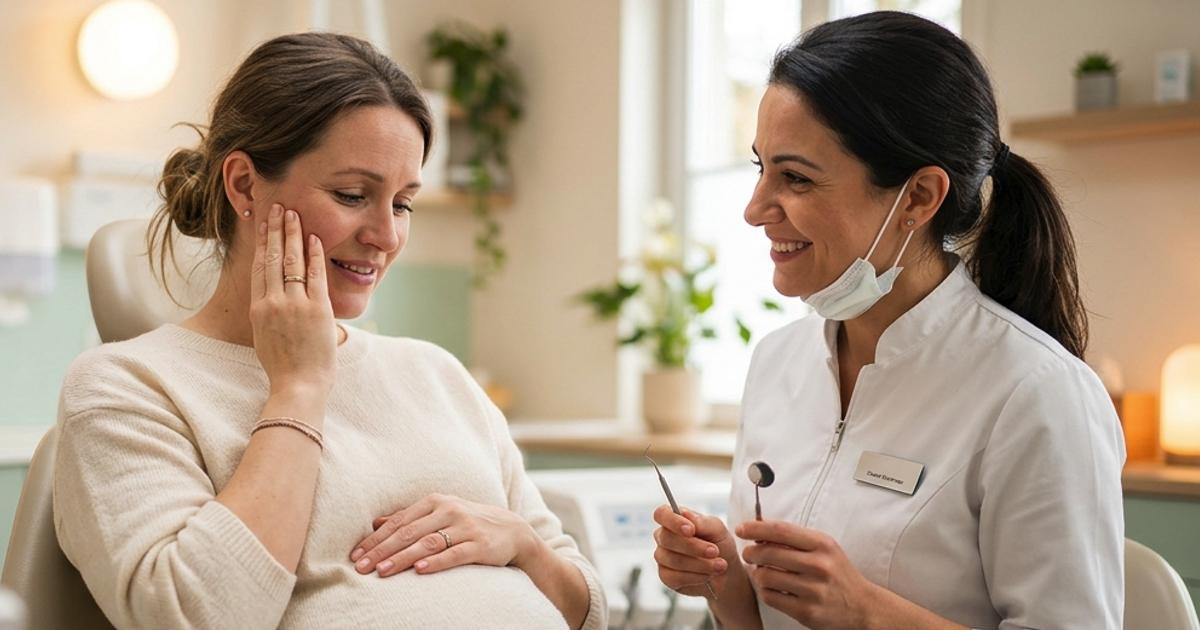

Pregnancy brings a remarkable number of changes to your body, and your mouth is no exception. While most expecting mothers in Southwest Florida are diligent about prenatal vitamins, regular OB appointments, and a healthy diet, oral health often falls to the bottom of the priority list. What many women do not realize is that the health of your gums during pregnancy may have a direct impact on the health of your developing baby. Understanding this connection is not meant to create alarm — it is meant to empower you with knowledge that can make a real difference.
Why Pregnancy Makes Your Gums More Vulnerable
During pregnancy, your body undergoes significant hormonal shifts — particularly elevated levels of estrogen and progesterone. These hormones do not just affect your mood, energy, and appetite. They also alter the way your gum tissue responds to the bacteria that naturally live in your mouth.
The result is a condition commonly known as pregnancy gingivitis, which affects a significant percentage of pregnant women. Your gums may become red, swollen, tender, or prone to bleeding — especially when you brush or floss. While these symptoms can seem minor, they signal that the bacterial balance in your mouth has been disrupted and that inflammation has taken hold.
What Is Pregnancy Gingivitis?
Pregnancy gingivitis is a form of gum inflammation triggered by the hormonal changes of pregnancy rather than by a sudden decline in oral hygiene. Even women who are meticulous brushers and flossers may develop it. Left unaddressed, gingivitis can progress into periodontitis — a more serious form of gum disease that involves the destruction of the bone and tissue that support your teeth. This is where the stakes for both mother and baby become significantly higher.
Pregnancy Tumors — A Startling Name for a Benign Condition
Some pregnant women also develop what are called pregnancy tumors — overgrowths of gum tissue that appear between the teeth, usually in response to irritants like plaque. Despite the alarming name, these growths are not cancerous. They are benign and often resolve on their own after delivery. However, if they cause discomfort or interfere with eating or speaking, your dentist can safely remove them during pregnancy.
The Research Link Between Gum Disease and Pregnancy Outcomes
Here is where the science becomes especially important. Multiple studies have explored the relationship between periodontal disease in pregnant women and adverse birth outcomes. The findings are compelling enough to take seriously.
Bacteria from infected gum tissue can enter the bloodstream. Once in circulation, these bacteria may travel to the uterus and trigger the production of inflammatory chemicals called prostaglandins — the same chemicals involved in initiating labor. When prostaglandin levels rise prematurely, it can potentially trigger early contractions and preterm birth.
What the Evidence Suggests
Research has associated untreated periodontal disease during pregnancy with an increased risk of:
- Preterm birth (before 37 weeks of gestation)
- Low birth weight in newborns
- Preeclampsia, a dangerous pregnancy complication involving high blood pressure
- Gestational diabetes complications
- Longer time to conceive for women who are trying to become pregnant
It is important to note that gum disease is one factor among many that can influence pregnancy outcomes, and correlation does not always mean causation. However, the strength and consistency of these findings across multiple studies make oral health during pregnancy a topic that no expectant mother should overlook.
Safe Dental Care During Pregnancy — What You Should Know
One of the most persistent myths we encounter at 1 OAK Dentistry is that pregnant women should avoid the dentist entirely. This is simply not true — and in fact, the opposite is often recommended. Routine dental visits, cleanings, and certain treatments are not only considered safe during pregnancy but are actively encouraged by major health organizations.
When Is the Best Time for Dental Treatment?
The second trimester is generally considered the safest and most comfortable window for routine dental work. During the first trimester, the baby's organs are developing rapidly and it is best to avoid unnecessary procedures if possible. During the third trimester, lying back in a dental chair for extended periods can become uncomfortable and may even reduce blood flow due to pressure on certain blood vessels.
That said, dental emergencies — infections, significant pain, or acute inflammation — should always be addressed promptly, regardless of trimester. An untreated oral infection during pregnancy poses a far greater risk to both mother and baby than the dental treatment needed to resolve it.
What Is Safe and What Should Wait?
Here is a general breakdown of what can typically be done during pregnancy and what is best postponed:
- Professional cleanings and exams: Safe throughout pregnancy and highly recommended
- Dental X-rays: Can be taken when necessary with appropriate shielding — modern digital X-rays use extremely low radiation
- Local anesthesia: Safe in appropriate amounts for procedures that require it
- Fillings and crowns: Can be addressed during the second trimester if needed to prevent infection or worsening decay
- Tooth extractions: Can be performed if necessary, ideally in the second trimester
- Elective cosmetic procedures: Best postponed until after delivery
- Teeth whitening: Not recommended during pregnancy as a precaution
Medications and Pregnancy
If medications are needed — such as antibiotics for an infection or pain management — your dentist will work in close consultation with your obstetrician to ensure that anything prescribed is safe for you and your baby. Always inform your dental team that you are pregnant and how far along you are before any treatment begins.
Practical Steps to Protect Your Oral Health During Pregnancy
The good news is that maintaining a healthy mouth during pregnancy does not require anything extraordinary. The basics of good oral hygiene become even more critical during this time, and a few additional strategies can make a meaningful difference.
Brush, Floss, and Rinse Consistently
Brush with a soft-bristled toothbrush at least twice a day using a fluoride toothpaste. Floss daily, even if your gums bleed — gentle, consistent flossing actually helps reduce the inflammation over time. Rinsing with an alcohol-free antibacterial mouthwash can provide additional protection against the bacteria that contribute to gum disease.
Managing Morning Sickness and Its Effects on Teeth
If you are experiencing morning sickness, the stomach acid from vomiting can erode your tooth enamel over time. It may seem counterintuitive, but you should wait at least 30 minutes before brushing after vomiting. Brushing immediately after acid exposure can actually spread the acid across more tooth surfaces and worsen erosion. Instead, rinse your mouth with water or a baking soda solution to neutralize the acid first.
Watch What You Eat — Cravings and Oral Health
Pregnancy cravings are real, and many of them lean toward sugary, acidic, or starchy foods. While enjoying treats in moderation is perfectly fine, be mindful of how frequently you are exposing your teeth to sugar and acid throughout the day. Drink plenty of water, eat calcium-rich foods to support both your teeth and your baby's developing bone structure, and try to rinse your mouth with water after eating if brushing is not immediately possible.
Schedule a Dental Visit Early in Your Pregnancy
Ideally, let your dentist know as soon as you find out you are pregnant. An early exam allows your dental team to assess the current state of your gum health, address any existing concerns before they worsen, and schedule more frequent cleanings if needed. At 1 OAK Dentistry, we work with pregnant patients to create a care plan that is safe, comfortable, and specifically tailored to their needs at each stage of pregnancy.
A Final Word From the Team at 1 OAK Dentistry
Pregnancy is one of the most important seasons of a woman's life, and your oral health is an integral part of your overall prenatal wellness. Dr. Marc Dadkhah and the team at 1 OAK Dentistry are committed to providing compassionate, evidence-based care that supports both you and your growing baby. If you are pregnant or planning to become pregnant, we encourage you to schedule a visit and let us help you protect your smile — and your baby's future health — from the very beginning.
Located in Gulf Coast Town Center in Southwest Florida, 1 OAK Dentistry is here to answer your questions and provide the high-quality dental care you deserve at every stage of life.

