

You take a sip of cold water, bite into something sweet, or breathe in cool air — and suddenly there it is: that sharp, uncomfortable twinge in your tooth. But what does it actually mean? Is it a cavity forming? Are your teeth simply sensitive? Or could it be something more serious that warrants a visit to your dentist?
Many patients in Southwest Florida brush off tooth discomfort as a minor inconvenience, reaching for a sensitivity toothpaste and hoping the feeling fades. While tooth sensitivity and cavities can sometimes feel remarkably similar, they are very different conditions with different causes, different treatments, and very different consequences if left unaddressed. Understanding the distinction can protect your smile — and potentially save you from a much larger dental problem down the road.
Understanding Tooth Sensitivity: What Is Really Happening?
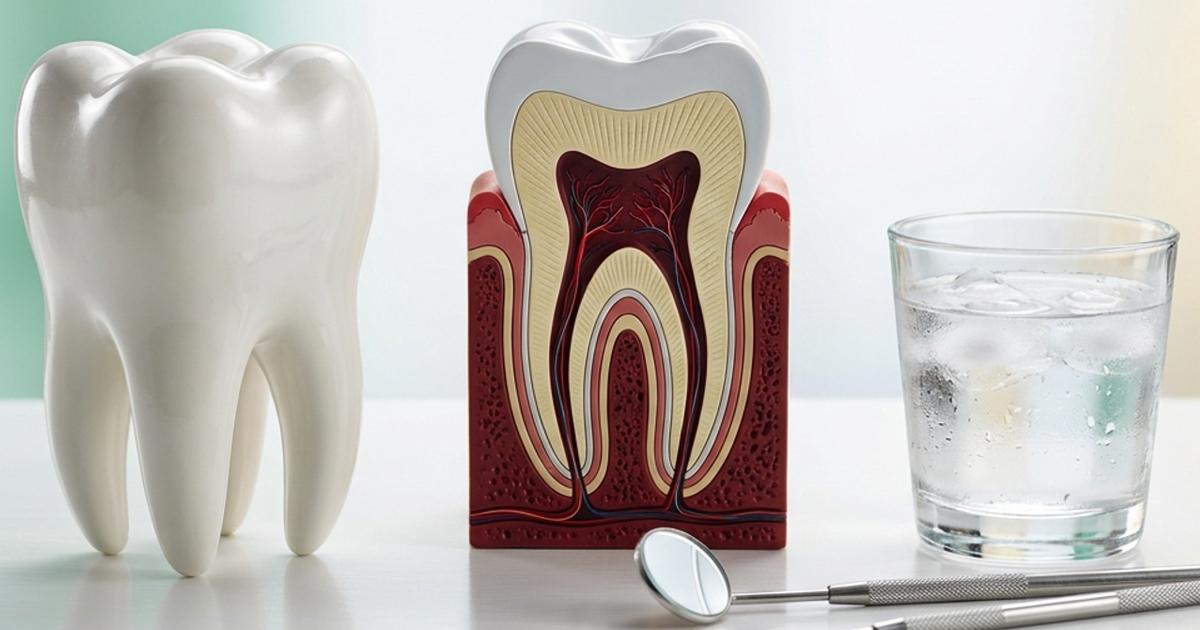
Tooth sensitivity, also known clinically as dentin hypersensitivity, occurs when the inner layer of your tooth — the dentin — becomes exposed to external stimuli. Under normal circumstances, dentin is protected by enamel above the gumline and by cementum below it. When that protective covering wears away or recedes, thousands of tiny microscopic channels called dentinal tubules become exposed. These tubules lead directly to the nerve of the tooth, which is why temperature changes, sweet foods, or even a rush of cold air can trigger a sudden, sharp response.
Common Causes of Tooth Sensitivity
Sensitivity is rarely random. There is almost always an underlying cause, and identifying it is the first step toward effective treatment. Some of the most frequent contributors include:
- Enamel erosion caused by acidic foods and beverages, such as citrus fruits, soda, and vinegar-based dressings
- Gum recession that exposes the root surfaces of teeth, which lack the protective enamel layer
- Teeth grinding (bruxism), which gradually wears down enamel over time
- Overly aggressive brushing with a hard-bristled toothbrush
- Recent dental procedures such as whitening treatments, cleanings, or crown placements, which can cause temporary sensitivity
- Cracked or chipped teeth that allow stimuli to reach the nerve more easily
- Gum disease, which causes gum tissue to pull away from the tooth
The discomfort from sensitivity tends to be sharp and short-lived — it spikes quickly and then dissipates within a few seconds. This is one of the key characteristics that helps distinguish it from cavity-related pain, though there are exceptions that make professional evaluation essential.
Understanding Cavities: When Decay Is the Culprit
A cavity, or dental caries, is a structural defect in your tooth caused by bacterial acid erosion. The bacteria that live in your mouth feed on sugars and carbohydrates, producing acids that gradually dissolve your enamel. Over time, this creates a hole in the tooth that continues to deepen if left untreated, eventually reaching the dentin and, in severe cases, the pulp — the innermost chamber containing nerves and blood vessels.
How Cavity Pain Differs from Sensitivity
In their earliest stages, cavities often cause no noticeable discomfort at all. This is precisely why routine dental X-rays and checkups are so important — they can catch decay before you ever feel it. As a cavity progresses into the dentin, however, symptoms begin to emerge that can mimic sensitivity:
- Pain or discomfort when consuming sweet, hot, or cold foods and drinks
- A lingering ache that persists for more than a few seconds after the stimulus is removed
- A visible dark spot, pit, or hole on the surface of the tooth
- Tooth pain that occurs spontaneously, without any obvious trigger
- Sensitivity localized to one specific tooth rather than multiple teeth at once
The key clinical difference is duration and localization. Sensitivity discomfort typically fades quickly and may affect several teeth. Cavity pain often lingers longer and tends to be concentrated in one tooth. However, because these symptoms can overlap significantly, self-diagnosis is unreliable and potentially dangerous. Only a thorough dental examination — including X-rays — can definitively determine whether decay is present.
What Happens When a Cavity Goes Untreated
This is where many patients make a costly mistake. When tooth discomfort comes and goes, it is tempting to assume the problem has resolved itself. In reality, decay does not heal on its own. Without intervention, a cavity progresses deeper into the tooth structure, moving from the enamel into the dentin, and eventually into the pulp. At that stage, a simple filling is no longer sufficient — root canal therapy becomes necessary. Left even further untreated, the infection can spread to surrounding teeth and bone, leading to tooth loss and systemic health complications.
How Your Dentist Tells the Difference — and What Treatment Looks Like
At 1 OAK Dentistry, Dr. Marc Dadkhah and our clinical team use a combination of a detailed patient history, visual examination, diagnostic instruments, and digital radiography to distinguish between sensitivity and decay with precision. Modern imaging technology allows us to detect even the earliest stages of cavity formation — often long before you experience any discomfort at all.
Treating Sensitivity
If your discomfort is determined to be sensitivity rather than decay, there are several highly effective treatment approaches depending on the underlying cause. Desensitizing toothpastes containing compounds like potassium nitrate or stannous fluoride can help block the dentinal tubules over time. In-office fluoride varnish treatments strengthen enamel and reduce sensitivity. If gum recession is the cause, gum grafting may be recommended to restore protective tissue around exposed roots. For grinding-related sensitivity, a custom night guard is often the most important protective measure.
Treating Cavities
Cavities are addressed based on their severity. Early-stage decay caught before it penetrates deeply into the enamel may be managed with fluoride remineralization protocols. Once a cavity has formed, it requires a filling — a process that involves removing the decayed material and restoring the tooth with a durable, tooth-colored composite resin. More advanced decay may call for an inlay, onlay, or crown. If the pulp is involved, root canal therapy performed by our endodontist, Dr. Andrea Hernandez, may be necessary to save the tooth before placing a crown.
When to Stop Wondering and Start Acting
The most important message here is simple: do not wait. Tooth discomfort — whether it feels like mild sensitivity or something more pronounced — is your body communicating with you. Pain is not normal, and it does not resolve on its own when the underlying cause is structural decay or nerve involvement.
If you are experiencing any tooth discomfort, whether fleeting or persistent, the compassionate team at 1 OAK Dentistry is here to help. Serving patients across Southwest Florida with state-of-the-art diagnostic technology and a commitment to minimally invasive, patient-centered care, we will get to the root of your discomfort — literally and figuratively — and develop a personalized treatment plan that protects your smile for the long term.
Do not let uncertainty keep you from getting the answers you deserve. Schedule your appointment with us today and let us help you understand exactly what your smile is trying to tell you.

