

Most of us have been brushing our teeth since childhood, which means most of us assume we already know how to do it correctly. But the truth is, the way you brush and floss makes an enormous difference in your long-term oral health — and small mistakes in technique, repeated twice a day for years, can quietly lead to gum recession, enamel wear, cavities, and even tooth loss. At 1 OAK Dentistry, we believe that great oral health starts at home, and that begins with mastering the fundamentals.
Whether you are a lifelong brusher looking to refine your routine or a parent teaching your children good habits, this guide will walk you through the science-backed techniques that actually protect your smile for the long haul.
The Right Way to Brush Your Teeth
Brushing your teeth seems simple enough, but there is a significant difference between going through the motions and brushing effectively. The goal of brushing is not just to freshen your breath — it is to physically disrupt and remove the dental plaque that accumulates on your teeth and along the gumline throughout the day.
Choosing the Right Tools
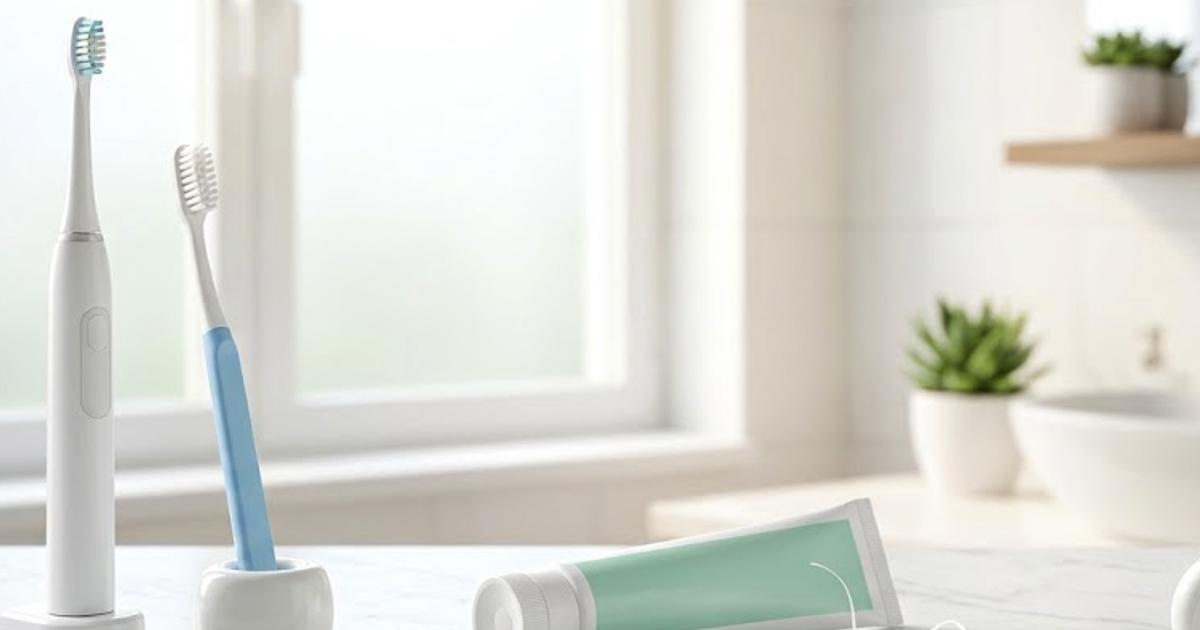
Before we get to technique, the tools you use matter. A soft-bristled toothbrush is almost always the right choice for adults. Medium and hard bristles may feel like they are doing more work, but they can actually damage your enamel and irritate your gums over time. Whether you prefer a manual or electric toothbrush, what matters most is how you use it — though research does suggest that oscillating electric toothbrushes can remove slightly more plaque for many patients.
Your toothbrush should also be the right size for your mouth. If you have to stretch your jaw uncomfortably to reach your back teeth, the head is too large. And regardless of how good your technique is, a worn-out toothbrush with splayed bristles is far less effective. Replace your toothbrush or brush head every three to four months, or sooner if the bristles look frayed.
Angle, Pressure, and Motion
Here is where most patients go wrong. Many people brush with a back-and-forth scrubbing motion using too much pressure, and this can wear away enamel and push the gums away from the teeth over time. Instead, follow these steps:
- Hold your toothbrush at a 45-degree angle to your gumline — this allows the bristles to gently clean under the edge of the gum where plaque likes to hide.
- Use short, gentle circular or elliptical strokes rather than aggressive horizontal scrubbing.
- Brush the outer surfaces of all your teeth, then the inner surfaces, then the chewing surfaces.
- Do not forget the inner surfaces of your front teeth — tilt the brush vertically and use gentle up-and-down strokes.
- Spend at least two full minutes brushing. Most people brush for less than a minute, which is not enough time to do the job properly.
- Finish by gently brushing your tongue to remove bacteria and freshen your breath.
Brushing should be done at least twice a day — once in the morning and once before bed. Brushing before bed is especially important because saliva production decreases during sleep, leaving your teeth more vulnerable to the acids produced by plaque bacteria overnight.
The Right Way to Floss
If brushing is the foundation of your oral hygiene routine, flossing is the part that most people either skip entirely or do incorrectly. The surfaces between your teeth — called the interproximal surfaces — account for roughly 35 percent of each tooth's surface area, and your toothbrush simply cannot reach them. Without flossing, you are leaving more than a third of your tooth surfaces uncleaned every single day.
The Classic Floss Technique
Traditional string floss remains one of the most effective tools for cleaning between teeth when used correctly. Here is how to get the most out of it:
- Use about 18 inches of floss, winding most of it around your middle fingers so you have a fresh section to work with between each tooth.
- Hold the floss tightly between your thumbs and index fingers, leaving about one to two inches to work with.
- Gently slide the floss between your teeth using a zigzag motion — never snap it down into the gums, which can cause cuts and inflammation.
- Curve the floss into a C-shape around each tooth and gently slide it up and down against the tooth surface, going slightly below the gumline.
- Use a fresh section of floss for each tooth to avoid redistributing bacteria.
Flossing once per day is the general recommendation, and doing it before bed is ideal so that food debris and plaque do not sit between your teeth overnight.
Alternatives to Traditional Floss
For patients who struggle with traditional flossing — including those with braces, dental bridges, limited dexterity, or particularly tight contacts between teeth — there are several excellent alternatives worth exploring. Floss picks and floss threaders can make the process easier. Water flossers, also known as oral irrigators, use a pressurized stream of water to flush debris from between teeth and along the gumline, and they can be particularly effective for patients with gum disease or implants. Interdental brushes, which are small bristled picks that slide between the teeth, are another highly effective option recommended by many dental professionals in Europe and increasingly in the United States.
The best flossing method is ultimately the one you will actually stick with. Talk to our team at 1 OAK Dentistry if you are unsure which tool is right for your unique situation.
Building a Complete Oral Hygiene Routine
Brushing and flossing are the cornerstones of great oral hygiene, but a truly comprehensive routine includes a few additional elements that make a meaningful difference.
Mouthwash
An antimicrobial or fluoride mouthwash can provide an additional layer of protection against plaque, gingivitis, and decay. However, mouthwash should complement your brushing and flossing — not replace it. Use it after brushing and flossing for maximum benefit. Be cautious about overusing alcohol-based mouthwashes, as they can contribute to dry mouth in some patients.
Timing and Habits That Matter
A few small adjustments to when and how you care for your teeth can make a surprising difference in your outcomes. Wait at least 30 minutes after consuming acidic foods or beverages before brushing — acidic substances temporarily soften enamel, and brushing immediately after can cause microscopic abrasion. Drink plenty of water throughout the day, especially fluoridated water if it is available in your area, as hydration supports healthy saliva production. And try to limit sugary or starchy snacks between meals, as these feed the bacteria that produce acid and cause decay.
The Professional Component
Even the most diligent home care routine cannot replace professional cleanings and checkups. Tartar — which is hardened plaque — cannot be removed with a toothbrush or floss alone. It requires professional scaling tools to remove safely and completely. Regular visits to 1 OAK Dentistry allow Dr. Marc Dadkhah and our team to catch early signs of cavities, gum disease, and other concerns before they become more serious and costly to treat.
We also understand that every patient is different. Some patients are more prone to plaque buildup or gum disease due to genetics, medications, or systemic health conditions, and may benefit from more frequent cleanings. During your visit, we are happy to evaluate your current technique and offer personalized recommendations based on your specific needs.
Small Changes, Big Results
It may seem surprising that something as routine as the way you hold your toothbrush or the direction you guide your floss could have such a significant impact on your long-term oral health. But when you consider that these habits are repeated thousands of times over the course of your life, even small improvements in technique can translate into healthier gums, stronger teeth, fewer cavities, and a smile that stays with you for decades.
At 1 OAK Dentistry in Southwest Florida, we are passionate about empowering our patients with the knowledge and tools they need to take outstanding care of their smiles at home — and providing the professional support to back it up. If you have questions about your oral hygiene routine or would like to schedule a visit with Dr. Marc Dadkhah or Dr. Andrea Hernandez, we would love to hear from you. Your healthiest smile starts with the right foundation.

