
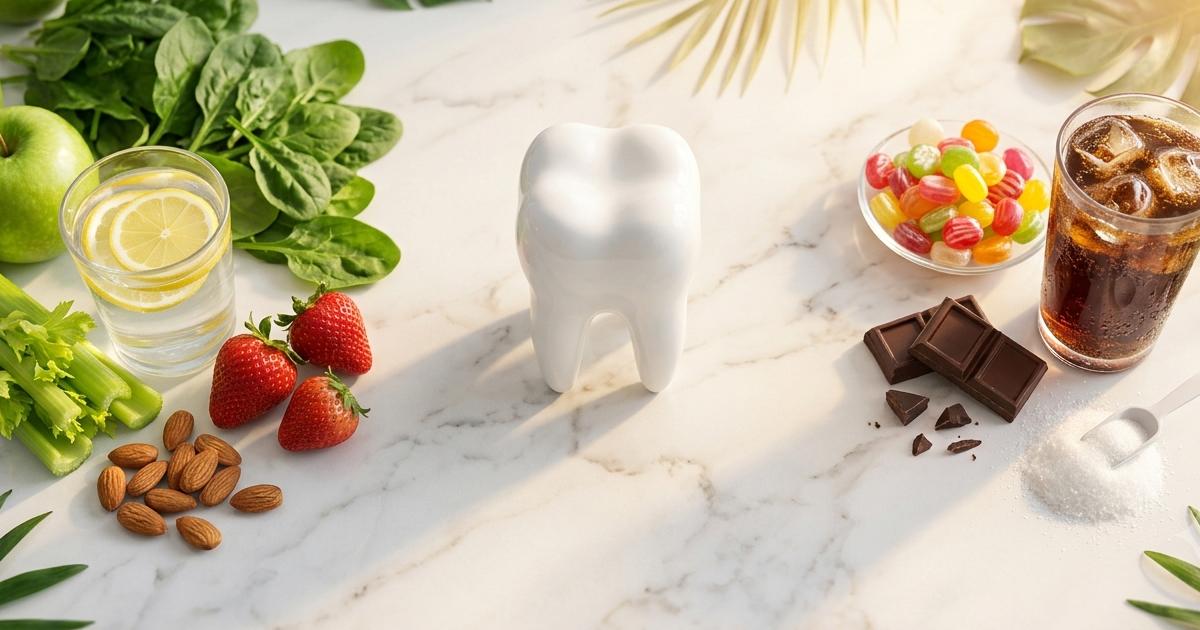

Most of us grew up hearing that sugar is bad for our teeth. But do you actually know why that is — or how the foods and drinks you consume every single day are quietly shaping the health of your smile? At 1 OAK Dentistry, we believe that educated patients make better choices, and understanding the relationship between your diet and your dental health is one of the most powerful steps you can take toward a lifetime of strong, beautiful teeth.
The Science of Sugar and Tooth Decay
Let's start with the basics. Your mouth is home to hundreds of different types of bacteria. Some of them are beneficial, but others feed on the sugars you consume and produce acid as a byproduct. That acid attacks the outer layer of your teeth — the enamel — and over time, repeated acid exposure weakens enamel, leading to cavities, sensitivity, and eventually more serious structural damage.
Here is what makes this process so insidious: it begins within minutes of eating or drinking something sugary. Each time you expose your teeth to sugar, you trigger an acid attack that can last for up to 30 minutes. If you are sipping a sweetened beverage throughout the day or snacking frequently, your enamel is under near-constant assault with very little time to recover.
It Is Not Just Candy and Soda
When most people think about sugar and teeth, they picture obvious culprits like candy bars and soft drinks. But many foods that seem healthy or neutral are surprisingly damaging to your enamel. Some of the most commonly overlooked sources of dietary sugar and acid include:
- Fruit juices and smoothies, which can be just as acidic and sugary as soda
- Sports and energy drinks, which combine high sugar content with significant acidity
- Dried fruits like raisins and apricots, which are concentrated in sugar and stick to tooth surfaces
- Flavored yogurts, which often contain more sugar than a serving of ice cream
- Crackers and chips, which break down into simple sugars and cling between teeth
- Coffee and tea with added sweeteners, especially when consumed throughout the day
- Citrus fruits and vinegar-based dressings, which are highly acidic even without added sugar
Living in Southwest Florida means we are also surrounded by tropical fruits and refreshing beverages that taste wonderful but deserve a second thought when it comes to our dental health. Mangoes, pineapples, and citrus juices are nutritious, but they are also acidic and high in natural sugars. Enjoying them mindfully — with meals rather than as constant snacks — makes a significant difference.
How to Eat Smarter for a Healthier Smile
The good news is that you do not have to eliminate your favorite foods entirely. The key is understanding how frequency, timing, and food pairing affect your risk for tooth decay. Making a few strategic adjustments can dramatically reduce the impact that diet has on your enamel.
Timing and Frequency Matter Enormously
As mentioned earlier, every time you consume sugar or acidic foods, your mouth enters an acid attack phase. Eating sugar five times throughout the day is far more damaging than consuming the same total amount of sugar in one sitting, because you are creating five separate acid cycles rather than one. This is why frequent snacking — even on seemingly innocent items — is one of the leading contributors to tooth decay.
Try to consolidate sweet or acidic foods to mealtimes rather than spreading them out across the day. After a meal, your saliva naturally works to neutralize acids and remineralize enamel, which is a natural defense mechanism your body provides. Giving your mouth time between eating allows this process to work effectively.
Foods That Actually Protect Your Teeth
Just as some foods damage enamel, others actively support dental health. Incorporating these into your regular diet is one of the easiest and most natural ways to protect your smile:
- Dairy products like cheese, yogurt, and milk are rich in calcium and phosphates that help strengthen enamel and neutralize acids
- Leafy greens such as spinach and kale are high in calcium and folic acid, which supports gum health
- Crunchy vegetables like carrots and celery act as natural toothbrushes, stimulating saliva and scrubbing tooth surfaces
- Nuts and seeds provide calcium, phosphorus, and healthy fats that support tooth structure
- Water — especially fluoridated water — helps rinse away food particles and acids while supporting enamel remineralization
- Lean proteins like chicken, fish, and eggs contain phosphorus, which works alongside calcium to rebuild and protect enamel
Cheese deserves a special mention. Research has shown that eating a small piece of cheese after a meal can actually raise the pH level in your mouth, reducing acidity and lowering your risk of tooth decay. It is a surprisingly satisfying and practical way to protect your smile.
What Happens When Diet-Related Damage Goes Untreated
Enamel erosion and cavities that begin from dietary habits rarely stay small if left unaddressed. What starts as early-stage demineralization — visible as white or chalky spots on the enamel — can progress to full cavities, deep decay, and eventually infection or tooth loss. At that stage, treatment becomes significantly more complex and costly, often requiring restorative procedures such as crowns, root canal therapy, or even tooth replacement.
The Role of Saliva and Hydration
One of the most underappreciated factors in diet-related dental health is the role of saliva. Saliva is your mouth's natural defense system — it neutralizes acids, delivers calcium and phosphate to enamel, and washes away food debris and bacteria. When saliva flow is reduced, whether from dehydration, medications, or other factors, your teeth become significantly more vulnerable to decay.
In the Southwest Florida heat, staying properly hydrated is especially important — not just for your overall health, but for your smile as well. Drinking water throughout the day, particularly after meals and snacks, helps maintain healthy saliva flow and rinses away sugars and acids before they can do lasting damage.
When to Talk to Your Dentist About Dietary Concerns
If you have noticed increased tooth sensitivity, visible changes in your enamel, frequent cavities, or discoloration, your diet may be playing a larger role than you realize. At 1 OAK Dentistry, Dr. Marc Dadkhah and our team take the time to understand your full health picture — including the dietary habits that could be quietly affecting your oral health. We can help you identify patterns, make targeted recommendations, and create a preventive care plan that fits your lifestyle in Southwest Florida.
Protecting your smile is not just about what happens in the dental chair — it is about the choices you make every day. Understanding how diet and sugar affect your teeth gives you the knowledge to make those choices with confidence, and we are always here to guide you along the way. Schedule your next visit with us and let's talk about what your smile needs to thrive.

