
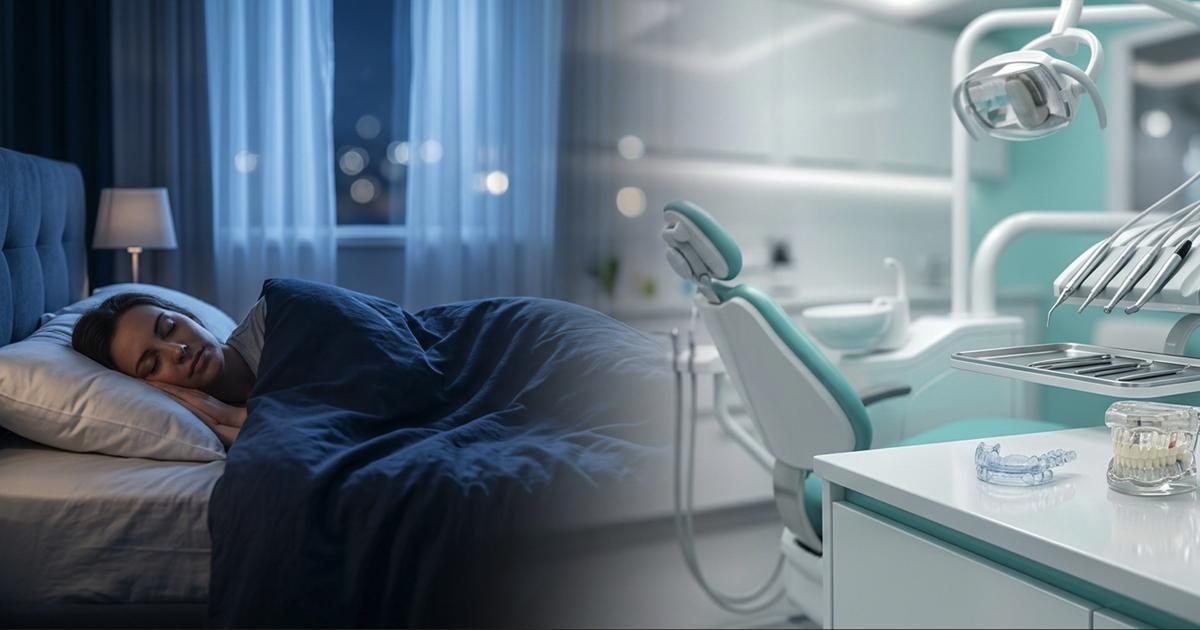

If you have been told you snore loudly, wake up feeling exhausted despite a full night of sleep, or frequently experience morning headaches, you may be among the millions of Americans living with sleep apnea. While most people associate sleep apnea with sleep specialists and cumbersome CPAP machines, what many do not realize is that your dentist may play a crucial role in diagnosing, managing, and even treating this serious condition. At 1 OAK Dentistry, we believe in treating the whole patient — and that includes understanding how your oral health and your sleep quality are deeply intertwined.
What Is Sleep Apnea and Why Does It Matter?
Sleep apnea is a disorder characterized by repeated interruptions in breathing during sleep. These pauses can last anywhere from a few seconds to over a minute and can occur dozens or even hundreds of times per night. The most common form, obstructive sleep apnea (OSA), happens when the muscles in the throat relax too much and the soft tissues of the airway collapse inward, blocking airflow.
Beyond leaving you feeling tired and foggy, untreated sleep apnea carries serious health consequences. Research has linked it to an increased risk of high blood pressure, heart disease, stroke, type 2 diabetes, and even depression. In Southwest Florida, where an active outdoor lifestyle is part of daily life, living with unmanaged sleep apnea can significantly diminish your energy, focus, and overall quality of life.
Common Warning Signs of Sleep Apnea
- Loud or chronic snoring
- Gasping or choking sounds during sleep, often noticed by a partner
- Waking with a dry mouth or sore throat
- Persistent morning headaches
- Excessive daytime sleepiness, even after adequate rest
- Difficulty concentrating or memory problems
- Frequent nighttime awakenings or insomnia
- Irritability or mood changes
If several of these symptoms sound familiar, it is worth discussing them with both your physician and your dental team. Early intervention makes a significant difference in outcomes.
The Dental Connection: How Your Mouth Affects Your Airway
Your mouth, jaw, and throat are all part of the same anatomical system. The structure of your jaw, the size of your tongue, the position of your teeth, and the shape of your palate all influence how freely air moves through your airway during sleep. This is precisely why dentists are uniquely positioned to help identify and address sleep apnea risk factors.
What Dentists Look For
During a routine dental examination, a trained dentist may notice several oral signs that suggest a patient is at risk for or already experiencing sleep apnea. These include:
- A narrow or high-arched palate that restricts airway space
- A large or scalloped tongue that may partially obstruct breathing during sleep
- Significant tooth wear on the biting surfaces, which can indicate nighttime grinding (bruxism) — a condition frequently associated with sleep apnea
- Redness or irritation at the back of the throat
- A small or recessed lower jaw, which can cause the tongue to fall backward during sleep
These findings alone do not diagnose sleep apnea — a formal diagnosis requires a sleep study conducted by a medical professional. However, they serve as important early warning signals that prompt the right conversations and referrals.
The Overlap Between Teeth Grinding and Sleep Apnea
One connection that surprises many patients is the strong association between bruxism (teeth grinding) and obstructive sleep apnea. Research suggests that a significant percentage of people who grind their teeth at night are also experiencing sleep-disordered breathing. The current theory is that grinding may actually be the body's protective response — an attempt to reopen a collapsing airway by jutting the jaw forward and activating the throat muscles.
If you have been fitted with a night guard for grinding, it is worth asking your dental team whether a sleep apnea screening might also be appropriate. Treating the grinding without addressing the underlying airway issue may mean missing a critical piece of your overall health picture.
Oral Appliance Therapy: A Dental Solution for Sleep Apnea
For patients with mild to moderate obstructive sleep apnea, or for those who are unable to tolerate CPAP therapy, oral appliance therapy (OAT) offers a highly effective and comfortable alternative. These custom-fitted devices are worn during sleep and work by gently repositioning the lower jaw and tongue slightly forward, which helps maintain an open airway throughout the night.
How Oral Appliances Work
Oral appliances for sleep apnea are similar in appearance to athletic mouth guards or orthodontic retainers, but they are precisely engineered and custom-fabricated for each patient based on detailed dental impressions and bite measurements. By advancing the position of the mandible (lower jaw), these appliances prevent the soft tissues of the throat from collapsing inward during sleep.
Compared to CPAP machines, oral appliances offer several notable advantages:
- They are small, portable, and easy to travel with
- They require no electricity or masks
- They are generally more comfortable and better tolerated, leading to higher rates of consistent use
- They are quiet — ideal for patients and their partners
- They can be highly effective when properly fitted and monitored
It is important to note that oral appliance therapy is a medical treatment, not just a dental procedure. At 1 OAK Dentistry, we work collaboratively with sleep medicine physicians to ensure that each patient receives a proper diagnosis, appropriate treatment, and ongoing monitoring to assess effectiveness and make any necessary adjustments.
Candidacy and Considerations
Not every patient is a candidate for oral appliance therapy. People with severe sleep apnea, certain dental conditions, or significant jaw joint (TMJ) problems may require a different approach. A thorough evaluation by our dental team, combined with input from a sleep specialist, ensures that you receive the most appropriate and effective care for your individual situation.
Why Addressing Sleep Apnea Is Part of Comprehensive Dental Care
At 1 OAK Dentistry, led by Dr. Marc Dadkhah and Dr. Andrea Hernandez, we take a comprehensive view of oral health — one that recognizes the mouth as a gateway to the rest of the body. Sleep apnea is not simply a nuisance that causes snoring. It is a systemic health condition with far-reaching implications for your cardiovascular health, metabolic function, cognitive performance, and longevity.
By incorporating sleep apnea screening into our patient evaluations, we are able to identify issues that might otherwise go undetected for years. Many patients living in Southwest Florida are undiagnosed — not because the condition is rare, but because they have never been asked the right questions or had a clinician connect the dots between their oral health findings and their sleep symptoms.
If you are waking up tired, grinding your teeth, or have been told you snore, do not dismiss these symptoms as simply a part of getting older or a minor inconvenience. They may be signaling something that deserves professional attention. We encourage you to bring up any sleep-related concerns at your next visit — because a truly healthy smile is part of a truly healthy life.
To schedule an appointment with our team at 1 OAK Dentistry in Southwest Florida, please contact our office. We are here to help you breathe easier, sleep better, and smile with confidence.

