
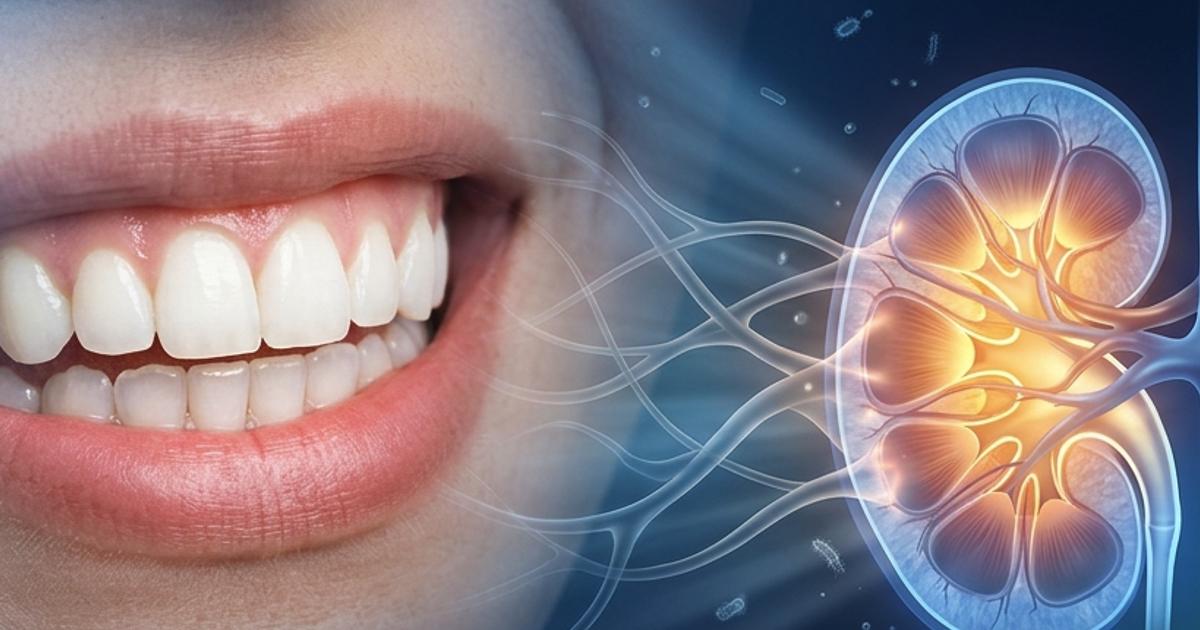

When most people think about kidney health, they think about hydration, diet, and blood pressure. Very few people consider their mouth as a window into how well their kidneys are functioning. Yet emerging research is drawing a compelling connection between oral health and kidney function that every patient in Southwest Florida should understand. At 1 OAK Dentistry, we believe that your smile is about so much more than aesthetics. It is a reflection of your whole-body wellness, and your kidneys are no exception.
How the Kidneys and Oral Health Are Linked
The kidneys are responsible for filtering waste and toxins from the bloodstream, regulating fluid balance, and supporting the production of red blood cells. When kidney function is compromised, the effects ripple throughout the entire body, including the mouth. Conversely, chronic oral infections and gum disease can place a burden on the kidneys by continuously introducing bacteria and inflammatory compounds into the bloodstream that the kidneys must work harder to filter.
Chronic kidney disease, often abbreviated as CKD, affects millions of Americans and frequently goes undiagnosed in its early stages. What many patients do not realize is that their dentist may actually notice warning signs of kidney dysfunction during a routine oral exam before a physician ever does.
What Happens in the Mouth When the Kidneys Struggle
When the kidneys are not functioning optimally, waste products that would normally be excreted can accumulate in the body. One of those waste products is urea, which can convert to ammonia in the saliva. This is why some patients with advanced kidney disease experience a distinctive ammonia-like or metallic taste in their mouth, a condition sometimes referred to as uremic fetor. While this is typically associated with later stages of kidney disease, it is a symptom that an attentive dental professional should recognize and flag for further medical evaluation.
Beyond taste changes, reduced kidney function can also affect the mouth in the following ways:
- Dry mouth, caused by reduced fluid intake recommendations or medication side effects common in kidney patients
- Increased susceptibility to oral infections due to a weakened immune response
- Pale or discolored gum tissue linked to anemia associated with CKD
- Bone loss in the jaw resulting from mineral imbalances caused by impaired kidney function
- Delayed wound healing after dental procedures
- Changes in salivary pH that increase the risk of cavities and enamel erosion
Gum Disease as a Risk Factor for Kidney Decline
The relationship between oral health and kidney function is not one directional. Gum disease, or periodontitis, does not simply respond to kidney problems. It may actually contribute to them. Severe gum disease involves chronic bacterial infection of the tissues surrounding the teeth, and those bacteria can enter the bloodstream on a daily basis, particularly during chewing, brushing, or dental procedures.
When bacteria circulate systemically, the immune system mounts an inflammatory response. This chronic, low-grade inflammation is now understood to be a driving force behind numerous systemic conditions, including cardiovascular disease, diabetes, and yes, kidney disease. Studies have shown that individuals with severe periodontitis have a measurably higher risk of developing chronic kidney disease over time.
The Inflammatory Pathway Between the Mouth and the Kidneys
Inflammation is the common thread that ties so many oral and systemic conditions together. When the gums are chronically infected, the body produces inflammatory cytokines and other markers such as C-reactive protein. These inflammatory signals travel through the bloodstream and can damage the delicate filtering structures within the kidneys over time. For patients who already have compromised kidney function, this additional inflammatory burden can accelerate the progression of their condition.
This is why nephrologists, the physicians who specialize in kidney care, increasingly recommend that their patients maintain excellent oral hygiene and schedule regular dental visits. Managing gum disease is not just about saving teeth. It may play a meaningful role in protecting kidney function over the long term.
What You Can Do to Protect Both Your Smile and Your Kidneys
The good news is that protecting your oral health is one of the most accessible things you can do to support your overall wellness. At 1 OAK Dentistry, Dr. Marc Dadkhah and Dr. Andrea Hernandez take a comprehensive, whole-patient approach to care. During your visits, our team does not just look at your teeth in isolation. We evaluate your oral health as part of the larger picture of your wellbeing.
Practical Steps for Every Patient
Whether or not you have a known kidney condition, the following habits can help you reduce oral inflammation and support your body's overall filtration and immune systems:
- Brush your teeth at least twice daily using a soft-bristled toothbrush and fluoride toothpaste
- Floss once per day to remove bacteria and debris from between the teeth and along the gumline
- Stay well hydrated with water throughout the day to support salivary flow and kidney function
- Limit your intake of high-sugar and high-acid foods and beverages that damage enamel and feed harmful oral bacteria
- Avoid tobacco in all forms, including cigarettes and vaping, as smoking dramatically worsens both gum disease and kidney health
- Attend regular dental checkups and professional cleanings at least twice per year
- Inform your dental team of any systemic health conditions, including kidney disease, diabetes, or cardiovascular issues
When to Tell Your Dentist About Kidney Concerns
If you have been diagnosed with any stage of chronic kidney disease, it is essential that you share this information with your dental team before any procedure. Certain medications used in dentistry are processed through the kidneys, and dosing adjustments may be necessary. Additionally, patients on dialysis may require special scheduling considerations. At 1 OAK Dentistry, we work collaboratively with our patients' medical teams to ensure that dental care is delivered safely and effectively regardless of a patient's health history.
If you notice changes in your mouth such as persistent dry mouth, unusual taste, pale gums, or slow healing after dental work, do not dismiss these symptoms. Bring them to our attention. These signals can sometimes point to systemic issues that deserve investigation beyond the dental chair.
A Whole-Body Approach to Dental Care in Southwest Florida
At 1 OAK Dentistry, we are proud to offer a level of care that goes beyond routine cleanings and fillings. Dr. Marc Dadkhah, with over 20 published scientific papers and advanced training from his residency at Albert Einstein Medical Center in Philadelphia, brings a research-informed, evidence-based perspective to every patient interaction. Dr. Andrea Hernandez, our board-recognized endodontist trained at the University of Texas Health Science Center, adds deep specialty expertise that benefits patients with complex dental and health needs.
We understand that the residents of Southwest Florida are active, health-conscious individuals who value high-quality care that treats them as a whole person. That is exactly the standard we hold ourselves to every single day. Whether you are coming in for a routine checkup, managing gum disease, or navigating dental care alongside a systemic health condition, our team is here to support your smile and your overall health every step of the way.
If you have questions about how your oral health may be connected to other aspects of your wellbeing, we invite you to schedule a consultation with our team. A healthy mouth truly is a cornerstone of a healthy body, and your kidneys will thank you for taking it seriously.

